
AttPro Risk Management
Mistakes You Can’t Erase: Your Duty to Inform Your Client About an Error
Kate Gould, Esq.
July 1, 2026
Reading time: 4 minutes
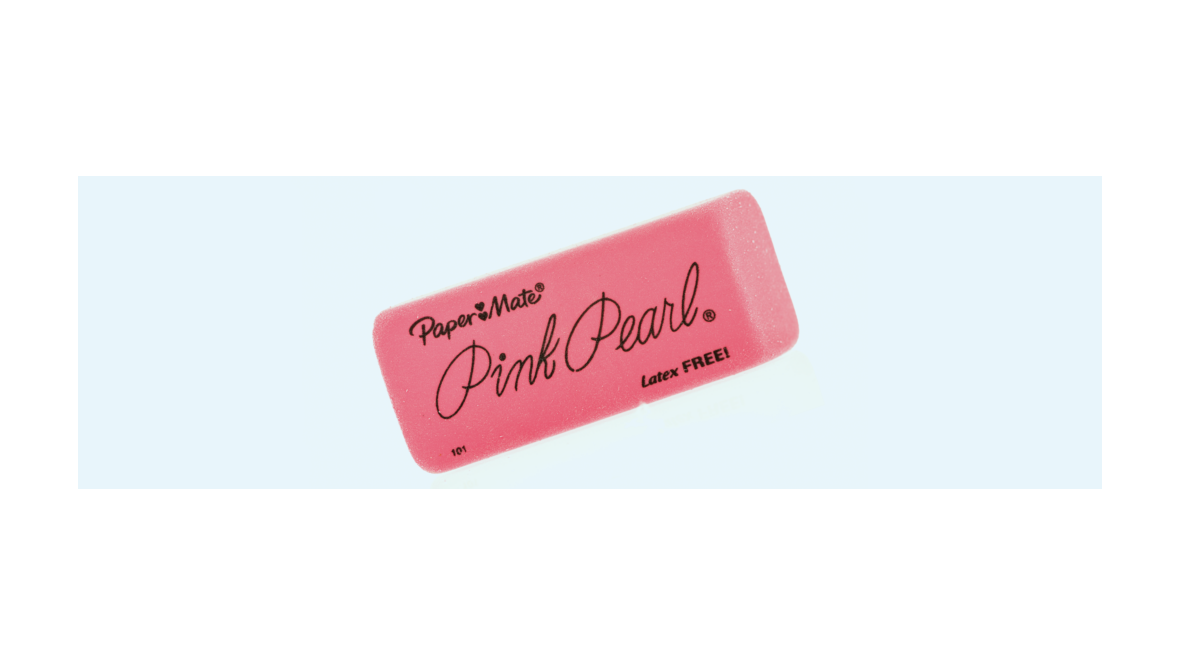
You may recall a time when it wasn’t until the week after the Fourth of July that stores started stocking shelves with school supplies. But now – with the first day of school creeping into the single digit days of August and big box retailers eager to usher in the next season – you can find new backpacks, shiny notebooks, and colorful folders lining store shelves before the end of June. Although I have not seen a supply list yet for the upcoming school year, I can almost guarantee it will include that elusive, and yet often unused item – the pink pearl eraser.
Though elementary school students today are no strangers to tablets in the classroom and might be deleting more than they are erasing, teachers continue to require the antiquated pink pearl eraser for their students. Although I rarely used it in school, my eraser seemed to go missing every year or during the shift to summer, prompting a search for that recognizable rectangular, rubbery eraser so I would be prepared when my pencil eraser ran out.
Unfortunately, when you make a mistake as a lawyer, the pink pearl cannot save you. Sometimes, despite our diligence and best efforts, we make mistakes leaving, at the very least, a smudge on our reputations or careers. And while you cannot simply erase those mistakes, you can pencil in this protocol to follow if you want to ensure you ethically disclose the error.
First, assess if you need to inform the client about the mistake. ABA Rule 1.4 establishes your duty to keep your client reasonably informed about the matter. ABA Formal Opinion 481 provides that, based on this duty, a lawyer must promptly inform a current client of material errors made during a representation. Of course, this directive prompts the questions of whether the client is “current,” the error is “material,” and what it means to be “prompt.”
Determining whether a client is, in fact, a current client highlights the importance of using engagement and disengagement letters in your practice so there is no question about when the representation began and ended. Once you have determined the client is a current client, evaluate whether the error is material. Opinion 481 found that an error is material if a disinterested lawyer would conclude the mistake is “(a) reasonably likely to harm or prejudice a client, or (b) of such a nature that it would reasonably cause a client to consider termination of the representation even in the absence of harm or prejudice.” What does this mean? While the first category of errors is self-explanatory, Opinion 481 further explains the second category of material errors as those that could cause the client to lose confidence in your ability to perform the representation.
This initial analysis determines whether a conflict of interest exists now. ABA Model Rule 1.7(a)(2) states that a conflict exists if there is a significant risk the representation is materially limited by a personal interest of the lawyer, that being, the possibility of a malpractice claim against you. If that is the case in your circumstances, you have two options: tell the client about the error and withdraw from the matter or ask them to waive the conflict.
Regardless of which option is present in your case, it is critical that you limit your disclosure to the facts and not admit liability when speaking to the client. Why? What you say can potentially affect your coverage and available defenses should the client bring a future malpractice claim against you. Further, for purposes of a withdrawal, you must advise of your professional obligation to withdraw, provide any pertinent deadlines, and recommend that the client consult another attorney as soon as possible. If you seek a conflict waiver because of the possibility of fixing the mistake, you need to provide additional information about why and how the error can be overcome such that your client can provide the required informed consent for the waiver. Additionally, be sure to tell the client of their right to speak to an independent lawyer about the waiver.
Finally, the timing of the disclosure is also a consideration. Opinion 481 states it should be prompt and with greater urgency if any notification delay harms the client. If the error warrants advising your malpractice carrier, it is better to err on the side of reporting the mistake rather than not timely notifying the carrier – your claims representative can assist in the process of disclosing the mistake to your client.
Just as every school supply box still includes an eraser, your risk management toolbox should include a plan for addressing mistakes. While you cannot erase errors, analyzing mistakes and responding ethically safeguards your client and your practice.
Get Lawyers Liability Insurance Malpractice Insurance Quote