
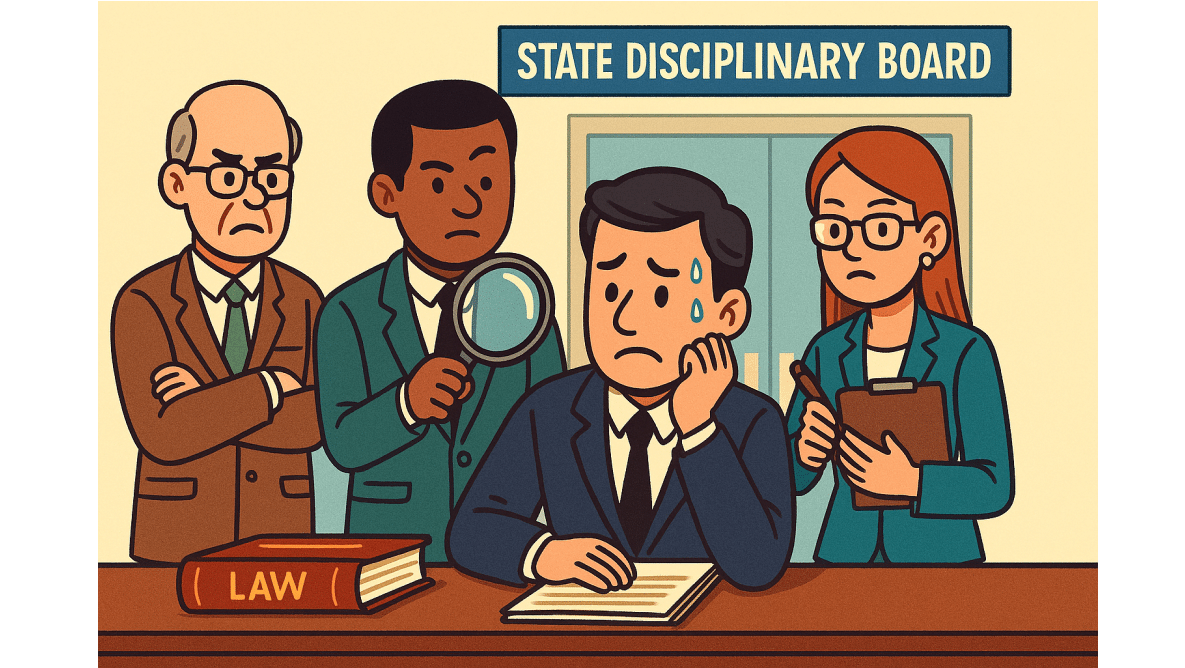
A Disbarment Tale About Client Trust, Conflicts of Interest, and Candor to the Court

Marsha Sharlene Johnson Linkedin Photo
Trust, loyalty, and transparency form the foundation of the attorney-client relationship. When lawyers place their personal interests above their professional obligations, they face severe consequences. The recent Disbarment on Consent filed in The Florida Bar v. Marsha Sharlene Johnson shows how conflicts of interest, failure to repay client loans, and false statements to a court lead to disbarment.
What Is a Disbarment on Consent?
A disbarment on consent occurs when an attorney agrees to disbarment rather than continuing disciplinary proceedings. Marsha Johnson submitted a Disbarment on Consent under the Rules Regulating The Florida Bar after the disciplinary investigation found probable cause involving multiple complaints. An attorney subject to an investigation or a pending proceeding based on misconduct allegations may consent to disbarment by delivering to Disciplinary Counsel an affidavit declaring the attorney’s consent to disbarment. Under the agreement, subject to Florida Supreme Court approval after five years Johnson may apply for readmission. The order disbarring an attorney on consent is a matter of public record. But only a court order or the attorney’s written consent allows disclosure of the affidavit for other proceedings.
Alleged Conflict of Interest Involving an Elderly Client
Johnson borrowed a total of $16,000 from an 80-year-old client after learning information about the client’s financial status. After his wife past, the client retained Johnson to draft and revise his will on multiple occasions. The original written promissory note agreement did not recommend that the client seek independent legal counsel. Despite assurances Johnson never provided written agreements for subsequent loans.
The attorney placed her interests ahead of her client’s interests.
Failure to Repay Client’s Money
Johnson promised to repay the loan with interest within one year but made no payments toward the debt. Johnson later provided a written promissory note incorporating the additional loan amount after the client filed a grievance with The Florida Bar. Johnson made no loan payments.
Financial dealings with clients create significant ethical concerns. Attorneys follow strict ethical requirements designed to protect clients from potential exploitation or undue influence.
False Statements to a Court
Johnson defended herself in a civil lawsuit related to the unpaid loan. The court entered a default judgment after Johnson filed no pleadings.
When the court issued an order requiring financial disclosures, Johnson falsely represented filing a bankruptcy petition. This representation caused the court to stay the proceedings until opposing counsel informed the court that Johnson had not filed a bankruptcy petition. Johnson later admitted that she had not filed the petition as claimed.
Courts rely on lawyers to provide truthful information so judicial proceedings function fairly and effectively. False statements to a court as they undermine the legal system’s integrity.
Rules Allegedly Violated
The admitted allegations violated certain Rules Regulating The Florida Bar including:
-
-
- Conflicts of interest involving business transactions with clients.
- Candor toward the court.
- Fairness to opposing parties and counsel.
- Conduct involving dishonesty and misconduct.
-
Critical legal Ethics Principles
-
-
- Avoid personal financial transactions with clients.
- Fully disclose potential conflicts of interest and follow all ethical safeguards.
- Honor financial obligations and written commitments.
- Always provide truthful information to courts and tribunals.
- Respond promptly and completely to disciplinary investigations.
-
The legal profession depends on public trust. When attorneys place personal interests ahead of their ethical obligations, disciplinary authorities seek sanctions protecting clients and maintain confidence in the justice system.
Conclusion
The Disbarment on Consent filed in The Florida Bar v. Marsha Sharlene Johnson involving conflicts of interest, borrowing money from a client without addressing conflicts of interest, failing to repay debts, and making false representations to courts.
Request a Legal Malpractice Quote

Contact Me Today
Lee Norcross, MBA, CPCU
California License # 0D87292
L Squared Insurance Agency, LLC ® DBA in California as L2 L Squared Insurance Agency, License # 0L93416
Managing Director, CEO
Lee@L2Ins.com
616-726-7080